Since 2013, we have been producing science at the largest Federal University in Brazil
NetLab is a research laboratory at the School of Communication at the Federal University of Rio de Janeiro (ECO - UFRJ). Since 2013, we have been focusing on internet and social network studies. In recent years, we have dedicated ourselves to diagnosing the phenomenon of digital disinformation and its consequences in Brazil.
Our group is made up of a multidisciplinary team with over 30 collaborators from different areas - Information Science, Communication, Sociology, Political Science, Engineering, Data Science, and Computer Science - including undergraduate and masters students, doctoral and post-doctoral researchers and professors.
NetLab UFRJ's mission is to produce empirical evidence that can have a social impact in order to expand scientific knowledge and enhance the public debate, as well as support the development and governance of new technologies in the face of contemporary media manipulation strategies in use in Brazil. Our research, teaching and outreach programmes are strengthened by the background and cultural diversity of our team and also our efforts to engage with civil society, policy makers and the academic community.
Innovative Social Data Science research based on digital methods, computational tools, qualitative analyses and statistical techniques
Monitored Ecosystem
NetLab's multidisciplinary team has developed its own infrastructure for data collection and constant monitoring of platforms and websites. This system is continuously updating to adapt to frequent changes in platform data sharing policies and interfaces.
Our infrastructure, a one of it's kind in Brazil, is capable of constantly monitoring profiles and themes according to the Laboratory's research agenda.
We currently collect data from X/Twitter, Instagram, Facebook, YouTube, TikTok, WhatsApp, Telegram, Google Ads and Meta Ads, as well as professional news portals, local vehicles and junk news.
Data Collection
& Analysis
Despite the important role digital platforms play today in shaping public opinion, transparency and public understanding about how they work are disproportionate to the potential impact they can have on social life.
The digital data we collect is processed and analyzed by our researchers. From this information, we provide evidence and insights into the the phenomenon of online disinformation to support the fight against public opiniom manipulation strategies in Brazil, informing the public and governance policies that generate a real impact on society.
Methods, Analysis & Development
NetLab UFRJ develops social science methods to expand, create and implement research strategies in order to empirically and critically investigate the effects of the media ecosystem on public opinion - including mass media, alternative media, hyperpartisan media, news websites fakes and social media.
Based on the theoretical-conceptual framework of digital methods, our research combines various qualitative and quantitative analyses with a non-obtrusive approach. In non-obstructive observation, data are collected without researchers interfering with the object of study. This data, known as “digital traces”, provides indicators about type and ammount of social interactions on platforms.
Taking an interdisciplinary perspective, we combine traditional social science research approaches with innovative approaches, including the development of AI, algorithms and computational solutions for social data analysis. We develop customized machine learning computational tools to detect harmful agents, fraudulent strategies and identify problematic content.
Mission
NetLab UFRJ's mission is to promote scientific knowledge based on empirical evidence, support public debate and inform the development and governance of new technologies in the face of contemporary disinformation, manipulation and influence operation strategies in Brazil.


Our Principles
NetLab UFRJ is an independent research laboratory governed by the principles of autonomy, transparency and academic ethics, governed by the regulations of the Federal University of Rio de Janeiro. The topics selected for study by the Laboratory are defined by its
researchers autonomously, and these topics dialogue with the wider international academic community researching disinformation and digital platforms. NetLab UFRJ supporters and partners have no influence on the laboratory's research agenda.
Supporters


Projects
Apoiador | Projeto | Início | Final | Coordenação | Fundação de apoio | Situação |
|---|---|---|---|---|---|---|
Indústria da Desinformação e seus Impactos nas Políticas Públicas | 36 meses | Marie Santini | Não tem fundação | Ainda para iniciar | ||
Desvendando Comportamentos Inautênticos Coordenados no YouTube: Uma Abordagem de Aprendizado de Máquina para Detectar Manipulação e Seu Impacto nos Algoritmos de Recomendação no Brasil | 09/12/24 | 08/12/2026 | Marie Santini | Não tem fundação | Em andamento | |
Impactos da indústria da desinformação digital na saúde da população brasileira | 31/12/24 | 30/11/2026 | Marie Santini | Não tem fundação | Em andamento | |
Projeto institucional do Netlab UFRJ | 12/11/25 | 13/11/26 | Marie Santini | FUJB | Em andamento |
Researchers
The Laboratory's research team operates in accordance with UFRJ CONSUNI Resolution No. 55/2022, which regulates the awarding of stipends to UFRJ staff members and voluntary collaborators, linked to teaching, research, extension, innovation, and institutional development programs, through accredited support foundations.
Supporting Foundations
UFRJ University Council Resolution No. 02/2006 regulates the relationship between the Federal University of Rio de Janeiro and its supporting foundations. The José Bonifácio University Foundation (FUJB) and the COPPETEC Foundation manage NetLab UFRJ projects in accordance with the regulatory requirements set forth in the Resolution.
Coordination
Marie Santini
Founder and Director

Debora Salles
Head Researcher and General Coordinator

Alda Almeida
Executive Coordinator

Amanda Santos
Project Coordinator

Bruno Martins
Project Coordinator

Carlos Barros
Project Coordinator

Erick Dau
Communications Coordinator

Luciane Belin
Project Coordinator

Marina Loureiro
Project Coordinator

Nicole Sanchotene
Project Coordinator

Priscilla Medeiros
Research Coordinator

Alékis Moreira
Research Associate

Chico Camargo
Research Associate

Danielle Mello
Research Associate

Felipe Grael
Research Associate

Fernando Ferreira
Research Associate

James Fitzgerald
Pesquisador Associado

Marcio Borges
Research Associate

Mathias de Lima Santos
Research Associate

Thiago Ciodaro
Research Associate

Research Associates
Adriano Belisário
Assistant Researcher
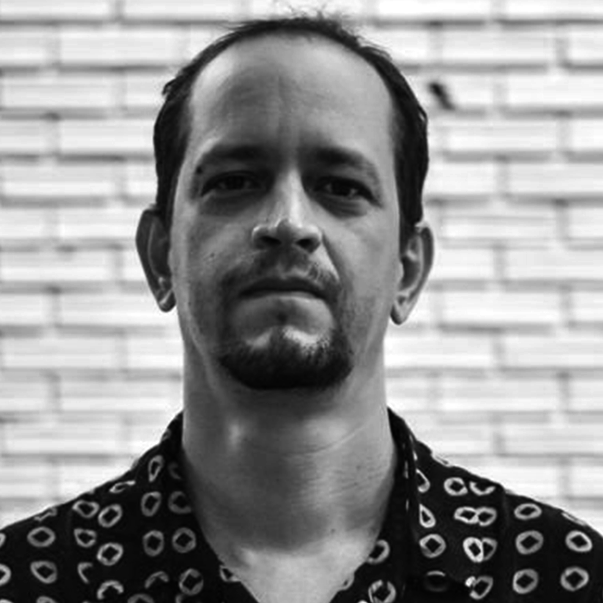
Bernardo Dias
Assistant Researchers

Bianca Melo
Assistant Researchers

Daphne Silva
Assistant Researchers

João Haddad
Assistant Researchers

Julia Dias
Assistant Researchers

Renata Seade
Assistant Researchers

Assistant Researchers
Amanda Borges
Research Assistant

Arthur Mendes
Research Assistant

Bruno Bastos
Research Assistant

Bruno Monteiro
Research Assistant

Eugene Franklin
Research Assistant

Fernanda Querne
Research Assistant

Gabriela Borba
Research Assistant

Ian Constermani
Research Assistant

Julia Misailidis
Research Assistant

Lucas Murakami
Research Assistant

M. Eduarda Fernandez
Research Assistant

Matheus Naoto
Research Assistant

Rafael Cardoso
Research Assistant

Rian Ferreira
Research Assistant

Taynara Gregório
Research Assistant

Research Assistants
Cecília Fortes
People Management Assistant

Felipe Maia
Project Manager

Flávia Cherullo
Executive Assistant

Felipe Loureiro
Designer

M. Eduarda Rocha
Designer

Rafaela Campos
Communications and Multimedia Analyst

Renato Cherullo
Data Analyst

Rowena Jameson
English Consultant

Executive Team


Nossos Parceiros Institucionais
Nossas parcerias institucionais são de colaboração e não envolvem apoio financeiro